
Why So Many Women Feel Disconnected From Their Wardrobes — And Themselves
by Eve, Founder of Project EmeraldLast week, I had a beautiful conversation with Nina Gbor from Eco Styles about clothing swaps, circular fashion and behaviour change.
But honestly, what stayed with me most was something much deeper.
We spoke about how clothing swaps are becoming “third places.”
Not home.
Not work.
But spaces where people can simply come as they are.
Spaces where women reconnect with themselves.
With creativity.
With confidence.
With community.
And it made me realise something.
So many women feel disconnected from their wardrobes right now.
But deeper than that, many feel disconnected from themselves.
From their bodies.
From their femininity.
From the version of themselves they used to be before life became so busy, practical or overwhelming.
We have more clothing than ever before.
Yet so many women still stand in front of overflowing wardrobes feeling like they have nothing to wear.
Not because they need more clothes.
But because somewhere along the way, they stopped seeing themselves.
Fashion Has Never Really Been Just About Clothing
I think this conversation matters now more than ever.
As the world becomes increasingly shaped by AI, automation and endless digital noise, real human expression becomes more valuable, not less.
Personal style.
Creativity.
Storytelling.
Community.
Authenticity.
These things matter.
Because getting dressed was never really just about clothing.
It’s about identity.
Energy.
Self-expression.
And how we feel in our own skin.
Fashion has always reflected who we are, how we see ourselves and how we move through the world. But somewhere between fast fashion, endless trends and the pressure to constantly consume, many women lost that connection.
Instead of wearing clothes that reflect who they are, many women wear what feels practical, expected or safe.
And over time, that disconnect grows.
How Circular Fashion Can Help Women Reconnect With Themselves
This is one of the reasons I care so deeply about circular fashion.
Because buying secondhand, rehoming clothing thoughtfully and shopping more consciously creates a different relationship with fashion.
It slows things down.
It encourages intentionality.
It allows women to reconnect with what genuinely feels like them instead of chasing endless trends.
Clothing swaps in particular are becoming spaces for something much bigger than fashion.
They are becoming spaces for conversation, creativity, confidence and community.
Places where women feel seen again.
Places where style becomes less about consumption and more about self-expression.
Why Honest Conversations Matter More Than Ever
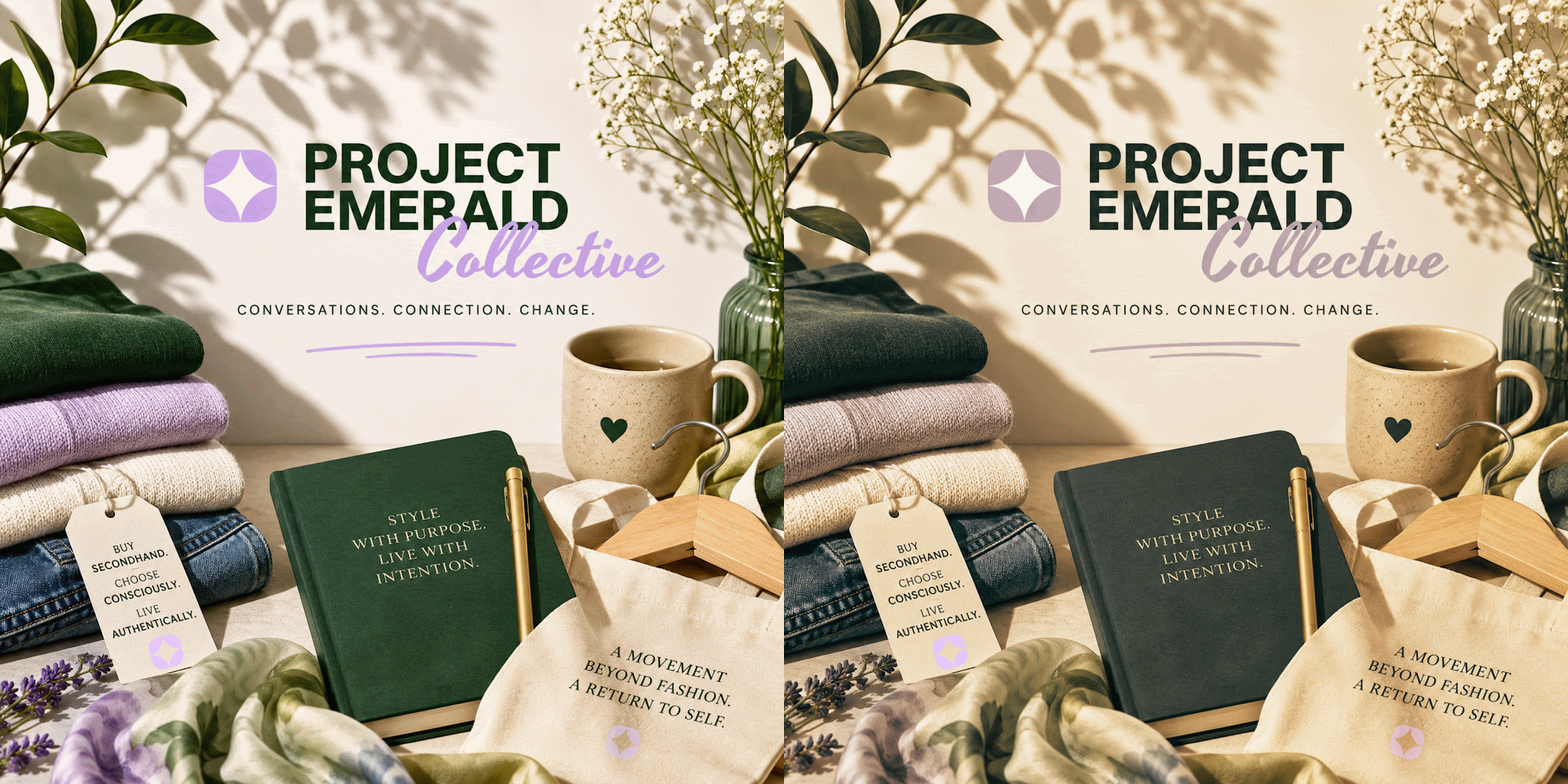
This is why I’ve started opening up more intentional conversations through Project Emerald Collective.
I want to hear from women rebuilding their confidence.
Women redefining success.
Women reconnecting with themselves through style, creativity, sustainability and conscious living.
Not polished perfection.
Not influencer culture.
Just honest conversations and lived experience.
Over the coming months, I’ll be sharing more reflections, interviews and conversations around identity, conscious fashion, creativity, behaviour change and what it means to live more authentically in a rapidly changing world.
I’ll also be speaking with founders, stylists, educators, creatives and everyday women who have something real to say about identity, clothing, confidence and what it means to feel like yourself again.
Because this movement isn’t just about talking about change.
It’s about living it.
Supporting circular fashion.
Buying secondhand more intentionally.
Rehoming clothing thoughtfully.
And helping women reconnect with themselves through what they wear.
Have You Ever Felt Disconnected From Yourself?
Have you ever stood in front of your wardrobe and felt disconnected from everything inside it?
Have you ever looked in the mirror and realised you no longer recognise the woman looking back at you?
Because I think more women feel this way than we realise.
And perhaps fashion — when approached differently — can become part of the journey back to ourselves.
If this resonates with you, I’d love to hear your story.
